WHITE · 100 g
White Peony / Bai Mudan, 2019
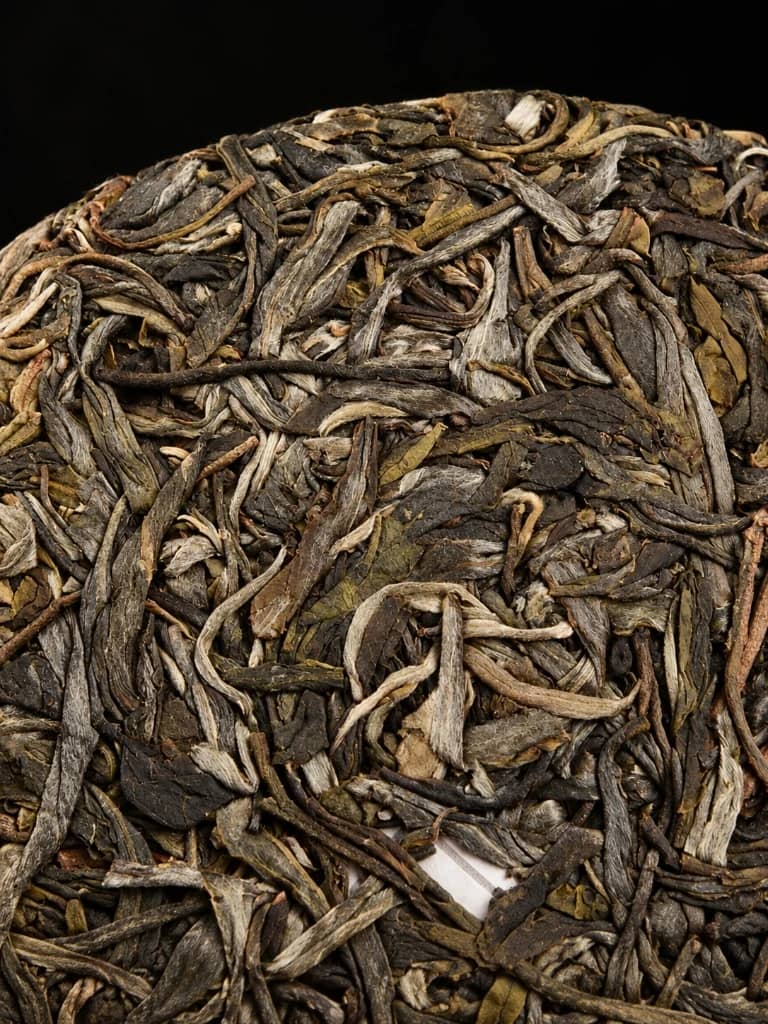
White Peony listed as a 2019 tea, with silvery buds and leaves, honeyed sweetness and dried date notes.
€26
Tasting qualities
Wild honey / Sun-dried hay / Chinese date / White blossom
Origin
Fuding, Fujian, China
- Farmer / producer
- To be announced.
- Garden
- To be announced.
- Location
- To be announced.
- Altitude
- To be announced.
Harvest & processing
- Harvest
- To be announced.
- Processing
- To be announced.
- Lot
- To be announced.
Source story
To be announced.
A starting point to explore with your own water. Adjust the recipe to the cup you enjoy.
Gongfu · repeated infusions
Short infusions
Suggested starting point
- Tea
- 5 g
- Water
- 100 ml
- Temperature
- 95°C
- Time
- 20–30 sec
Give the broad leaves room to open, then drain completely between infusions.
Everyday · gentle simmer
A gentle simmer
Suggested starting point
- Tea
- 3 g
- Water
- 500 ml
- Temperature
- Bring to a boil, then low heat
- Time
- Simmer 3–5 min
Use a stove-safe pot. Add leaf and water, bring to a boil, then simmer gently. Taste, strain and serve; add hot water if too strong.
Water we used
To be announced.
Our approach to brewing
We invite you to find your own way of brewing, guided by your water and your intention.
Compare honeyed sweetness with the drier leaf notes. Begin with short infusions and add time as the leaves open. For the boiled version, start with a light dose and stop the simmer when the body suits you; longer is not automatically better.
Our exploration
Leave a little space.
Try allowing the soft finish to fade fully before moving on. Carry that pause into a familiar seated posture, leaving the breath free to find its own pace.
Focus · Spaciousness and ease
| Asana | Sukhasana — let the throat and shoulders stay easy. |
|---|---|
| Dantian | Middle dantian — notice the chest without directing the breath. |
| Chakra | Vishuddha — rest attention around the throat without constricting it. |
| Meridian | Lung channel — follow the familiar pathway with spacious attention. |
Community exploration
What did you notice while drinking White Peony / Bai Mudan, 2019 or afterwards?
Share your exploration
Tea in the historical record.
Historical descriptions reflect the views of their time.
Tea in Buddhist and Taoist practice
Wakefulness & bodily lightness
Tea broadly · Tang accounts collected by Feng Yan and Lu Yu
Feng Yan records permission to drink tea among Chan students at Lingyan monastery whose training involved staying awake.[1] Lu Yu preserves a passage attributed to Tao Hongjing associating bitter tea with bodily lightness and naming immortal figures as drinkers.[2]
References
- Fengshi Wenjian Ji Jiaozhu (封氏聞見記校注)ISBN 9787101047226
- The Classic of TeaISBN 9780316534505